


Can TBM cutter rings be reused? This is a question that often arises in the tunneling industry, and as a TBM Cutter Ring supplier, I've encountered this query numerous times from my clients. In this blog, I'll delve into the feasibility of reusing TBM cutter rings, exploring the technical, economic, and environmental aspects.
Technical Feasibility
TBM cutter rings are crucial components in tunnel boring machines (TBMs). They are designed to withstand high pressures and abrasive forces as they cut through various rock formations. The technical feasibility of reusing TBM cutter rings depends on several factors, including the extent of wear, the type of rock encountered, and the overall condition of the cutter ring.
When a TBM cutter ring is in operation, it experiences significant wear due to the constant contact with the rock. The wear can be classified into different types, such as uniform wear, uneven wear, and chipping. In some cases, if the wear is relatively minor and uniform, the cutter ring may be suitable for reuse after undergoing a proper reconditioning process.
Reconditioning a TBM cutter ring typically involves processes such as grinding, welding, and heat treatment. Grinding is used to remove the worn surface and restore the original shape of the cutter ring. Welding may be required to repair any cracks or chips in the ring. Heat treatment is then applied to ensure the cutter ring regains its original hardness and strength.
However, it's important to note that not all cutter rings are suitable for reconditioning. If the wear is too severe, or if the cutter ring has suffered from excessive chipping or cracking, reconditioning may not be a viable option. In such cases, reuse may compromise the performance and safety of the TBM, leading to increased downtime and potential damage to other components.
Economic Considerations
From an economic perspective, reusing TBM cutter rings can offer significant cost savings. TBM cutter rings are expensive components, and purchasing new ones for every tunneling project can be a substantial investment. By reusing cutter rings, tunneling contractors can reduce their procurement costs and improve their overall project economics.
The cost savings associated with reusing cutter rings can be significant, especially for large-scale tunneling projects. However, it's important to consider the cost of reconditioning when evaluating the economic feasibility of reuse. The reconditioning process can be labor-intensive and may require specialized equipment and expertise. Additionally, there may be costs associated with transporting the cutter rings to and from the reconditioning facility.
In some cases, the cost of reconditioning may be comparable to the cost of purchasing a new cutter ring. In such situations, the decision to reuse or replace the cutter ring will depend on other factors, such as the availability of new cutter rings, the expected lifespan of the reconditioned cutter ring, and the potential impact on project schedules.
Environmental Impact
Reusing TBM cutter rings also has environmental benefits. The manufacturing of new cutter rings requires significant amounts of energy and raw materials. By reusing cutter rings, we can reduce the demand for new manufacturing, thereby conserving natural resources and reducing carbon emissions.
In addition, reusing cutter rings can help to reduce waste generation. TBM cutter rings are typically made of high-quality steel, and disposing of them after a single use can contribute to landfill waste. By reconditioning and reusing cutter rings, we can extend their lifespan and minimize the environmental impact of tunneling projects.
Case Studies
To illustrate the feasibility of reusing TBM cutter rings, let's look at some real-world case studies. In a recent tunneling project in a mountainous region, the tunneling contractor decided to reuse a significant number of TBM cutter rings. The cutter rings were carefully inspected and reconditioned before being reinstalled on the TBM.
The results were promising. The reconditioned cutter rings performed well, and the project was completed on schedule with significant cost savings. The contractor reported that the reconditioned cutter rings had a similar lifespan to new cutter rings, and there were no major issues with performance or safety.
In another case, a tunneling project in an urban area faced challenges due to limited space and tight project schedules. By reusing TBM cutter rings, the contractor was able to reduce the procurement lead time and minimize disruptions to the project. The reconditioned cutter rings were quickly available, allowing the TBM to resume operations without significant downtime.
Conclusion
In conclusion, the reuse of TBM cutter rings is a viable option in many cases. From a technical perspective, cutter rings with minor wear can be successfully reconditioned and reused. Economically, reusing cutter rings can offer significant cost savings, especially for large-scale projects. Environmentally, reusing cutter rings helps to conserve resources and reduce waste.

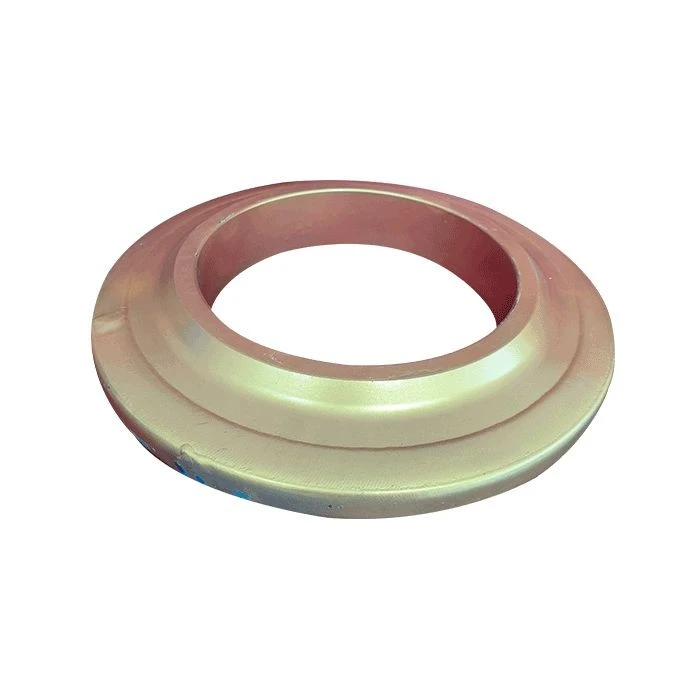
However, it's important to approach the reuse of TBM cutter rings with caution. A thorough inspection and evaluation of the cutter rings are essential to determine their suitability for reuse. The reconditioning process should be carried out by experienced professionals using high-quality equipment and materials.
As a TBM Cutter Ring supplier, I'm committed to providing my clients with the best solutions for their tunneling needs. Whether it's supplying new cutter rings or assisting with the reconditioning and reuse of existing ones, I'm here to help. If you're interested in learning more about TBM cutter rings or have any questions about their reuse, please feel free to [contact me for procurement discussions]. I'd be happy to discuss your specific requirements and provide you with the information you need.
References
- [Author's Name]. "Tunneling Technology and Equipment." [Publisher], [Year].
- [Author's Name]. "Wear and Reuse of TBM Cutter Rings." [Journal Name], [Volume], [Issue], [Year].


