


Hey there! I'm a supplier of TBM Cutter Hubs, and today I wanna talk about the storage condition of these crucial components.

Why Storage Conditions Matter
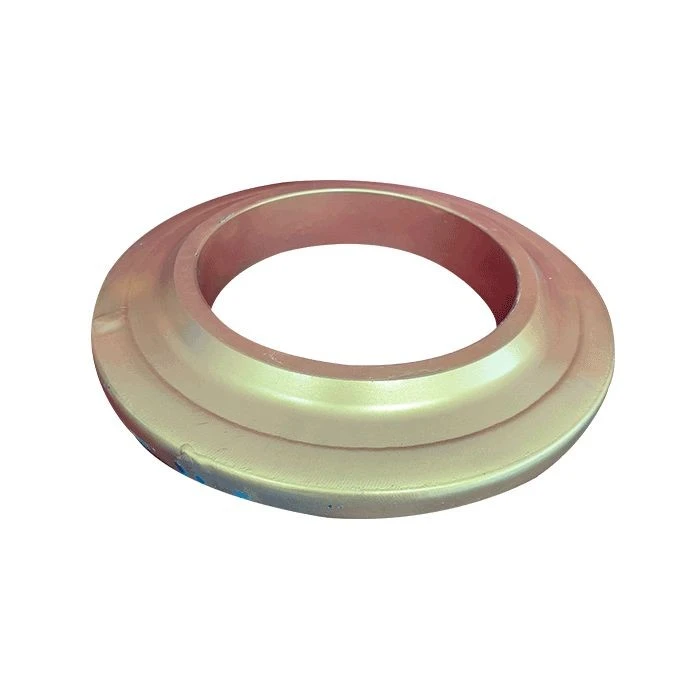
First off, let's understand why the storage conditions of TBM Cutter Hubs are so important. These cutter hubs are the heart of the TBM (Tunnel Boring Machine) cutting system. They're designed to endure high - pressure and abrasive environments while boring through different types of rock and soil. If they're not stored properly, they can get damaged, which not only shortens their lifespan but also affects the performance of the entire TBM.
Ideal Temperature and Humidity
One of the key factors in storing TBM Cutter Hubs is the temperature. The ideal temperature range for storage is between 10°C and 30°C. Temperatures that are too high can cause the metal to expand, which might lead to internal stress and potential cracking over time. On the other hand, extremely low temperatures can make the metal brittle, increasing the risk of breakage when the cutter hub is put into use.
Humidity is another critical aspect. The relative humidity in the storage area should be kept below 60%. High humidity can cause rusting and corrosion on the surface of the cutter hub. Rust not only degrades the appearance but also weakens the structure of the metal. To maintain the right humidity level, you can use dehumidifiers in the storage facility.
Storage Location
The location where you store the TBM Cutter Hubs also matters a great deal. They should be stored in a clean, dry, and well - ventilated area. Avoid storing them in areas prone to flooding, as water can cause severe damage. Also, make sure the storage area is away from direct sunlight. Prolonged exposure to sunlight can cause the temperature of the cutter hub to rise unevenly, leading to thermal stress.
Protection from Physical Damage
TBM Cutter Hubs are heavy and bulky items, but they're still vulnerable to physical damage. They should be stored on a flat and stable surface to prevent them from tipping over or rolling. If possible, use wooden pallets to separate the cutter hubs from the floor. This helps to prevent scratches and dents on the surface.
When stacking multiple cutter hubs, make sure they're stacked in an orderly and stable manner. You can use spacers between each layer to avoid direct contact and reduce the risk of damage. Also, label each cutter hub clearly with its model number, size, and other relevant information. This makes it easier to manage the inventory and ensures that the right cutter hub is selected when needed.
Protection from Chemicals
The storage area should be free from any chemicals that could react with the metal of the cutter hub. Chemicals such as acids, alkalis, and solvents can cause severe corrosion. If there are any chemical storage areas nearby, make sure there are proper barriers to prevent any accidental spillage onto the cutter hubs.
Maintenance During Storage
Even when the TBM Cutter Hubs are in storage, they still need some maintenance. Regularly inspect the cutter hubs for any signs of rust, damage, or deformation. If you notice any issues, take appropriate measures immediately. For example, if there's a small amount of rust, you can use a rust remover and then apply a protective coating.
Lubrication is also important. Apply a thin layer of anti - rust lubricant to the surfaces of the cutter hub before storage. This helps to prevent rusting and keeps the moving parts (if any) in good condition.
Compatibility with Accessories
When storing TBM Cutter Hubs, you should also consider their compatibility with accessories like the 18" Cutter Ring, TBM Cutter Shaft, and TBM Cutter Ring. These accessories are often used in conjunction with the cutter hub, and proper storage can ensure that they work well together when assembled.
For example, if the cutter ring is stored in a way that causes it to warp, it might not fit properly onto the cutter hub when it's time to use them. So, make sure to follow the storage guidelines for these accessories as well.
Importance of Documentation
Keep detailed records of the storage conditions, inspection results, and maintenance activities for each TBM Cutter Hub. This documentation can be very useful in case of any quality - related issues or warranty claims. It also helps to track the history of each cutter hub and plan for its future use.
Conclusion
In conclusion, proper storage of TBM Cutter Hubs is essential to ensure their quality, performance, and lifespan. By controlling the temperature, humidity, and storage location, protecting them from physical and chemical damage, and performing regular maintenance, you can keep your cutter hubs in top - notch condition.
If you're in the market for high - quality TBM Cutter Hubs and related accessories, don't hesitate to reach out for a procurement discussion. We're here to provide you with the best products and services to meet your needs.
References
- Engineering Handbook of Tunnel Boring Machines
- Industry Standards for TBM Component Storage


